


What Does 'Craft Cannabis' Actually Mean? A Buyer's Guide

Craft cannabis is not a fancy way to say “expensive weed.” It’s a way to describe how the flower is grown, handled, and finished, from seed to jar. Think of it like bread. You can buy factory loaf or you can buy the sourdough your neighbor babysat for 36 hours and refuses to shut up about. Craft cannabis is the sourdough.
The problem is that “craft” gets slapped on packaging the way “natural” gets slapped on snacks. So let’s clean this up. Use this guide to spot real craft flower, avoid the pretend stuff, and understand why certain jars smell louder, burn cleaner, and feel more intentional.
Craft cannabis, defined (without the marketing fog)
At its core, craft cannabis is flower produced with small-batch cultivation and hands-on quality control at every stage:
- Smaller grows with tighter environmental control and accountability
- Thoughtful genetics and phenotype selection, not “whatever yields the most”
- Slower, gentler harvesting and processing
- Hang-drying and a slow cure to preserve terpenes and burn quality
- Often hand-trimmed instead of machine-tumbled
- Frequently paired with living soil or soil-forward cultivation practices
In other words, craft is a process. A set of choices. A refusal to rush.
And yes, some craft flower costs more because it costs more to make. But price is not the definition. The definition is the method.
Why “craft” matters (what you actually experience)
Craft practices show up in the parts you can see, smell, and feel:
- Aroma that’s specific, not vague. You get layered scent, not just “weed.”
- Flavor that sticks around. Not one puff of greatness followed by ash.
- A cleaner, steadier burn. Less harshness, better ash, fewer relights.
- Effects that feel intentional. Not necessarily stronger, but clearer and more strain-true.
If you’ve ever opened a jar and thought, “This smells alive,” you already understand the point.
The craft checklist: what to look for (and what to ask)
You don’t need a lab coat to buy good flower. You need a few smart questions and a willingness to be mildly annoying in the best way. Use this checklist.
1) Small-batch growing: the backbone of “craft”
Craft cannabis is typically grown in smaller batches. That matters because small-batch allows:
- More attention per plant
- Faster identification of issues (pests, deficiencies, stress)
- More consistent harvest timing
- Better post-harvest handling because there’s less volume to rush
A massive operation can produce great flower, but craft usually means the cultivator is optimizing for quality first, scale second.
Ask: “Is this small-batch? Do you know the grower or cultivation style?”
If the answer is a shrug, that’s information.
2) Hand-trimming: pretty buds are nice, but that’s not the point
Hand-trimming is common in craft because it’s gentle. Machines are efficient, but they can knock off delicate trichomes and beat up the bud structure. Hand-trimmed flower often has:
- Better trichome preservation
- Cleaner shape without looking sandblasted
- Less “processed” feel in the jar
That said, hand-trim isn’t a magic spell. A great grow with a careful machine trim can still be solid. Craft buyers use hand-trim as a signal, not a religion.
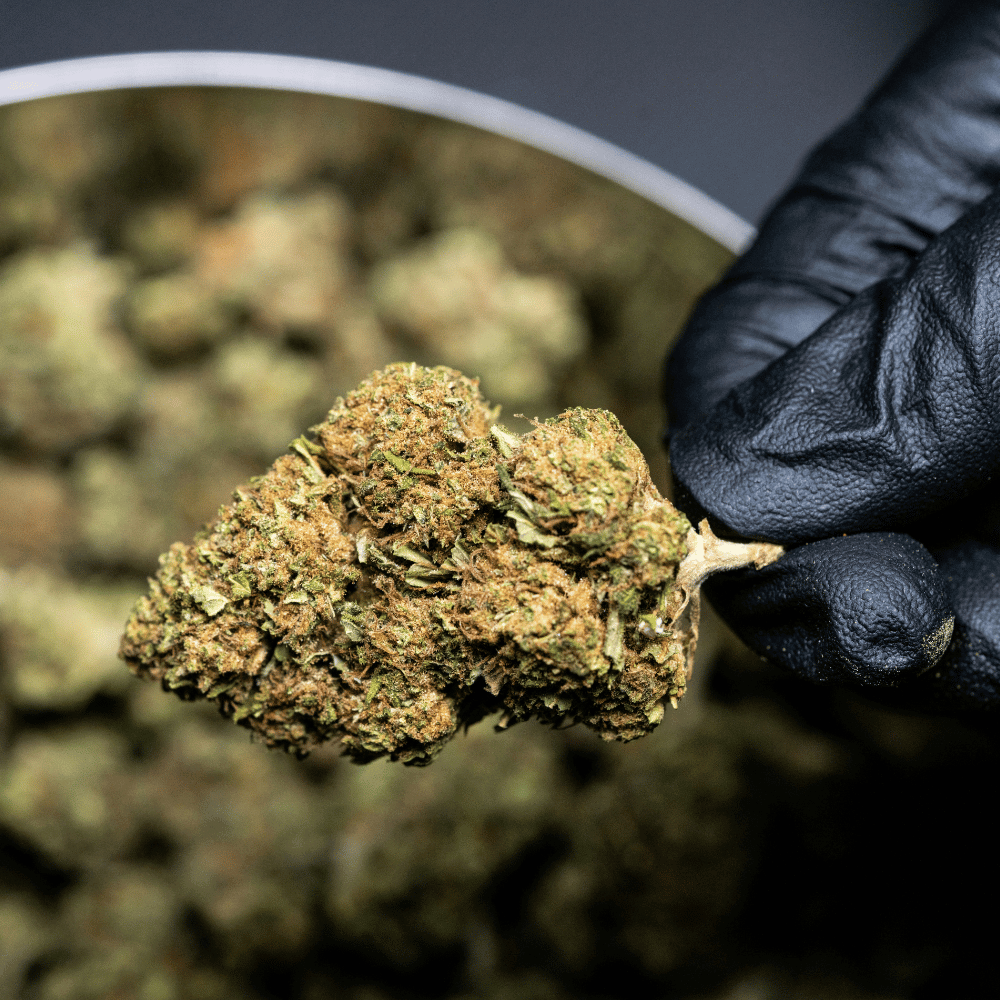
Look for: Intact bud structure, visible trichomes, minimal ragged edges.
3) Living soil (and why people won’t stop talking about it)
Living soil is exactly what it sounds like: a soil ecosystem with microbes, fungi, and organic matter working together. In cannabis, living soil often pairs with practices like:
- Organic amendments
- Compost teas or microbial inoculants
- Minimal salt-based feeding
- Building the soil over time instead of replacing it constantly
Why it matters: many people associate living soil with richer terpene expression and a more “full-spectrum” feel. Not always, not guaranteed, but often.
Craft isn’t limited to living soil, but living soil is very “craft-coded” because it requires patience and skill. You’re managing biology, not just pouring nutrients.
Ask: “Is this grown in living soil or soil-based? How does the grower feed the plants?”
4) Hang-drying: slow down or lose the good stuff
Hang-drying is a post-harvest method where branches (or whole plants) are hung to dry slowly under controlled temperature and humidity. This matters because drying too fast can:
- Volatilize terpenes (goodbye smell, goodbye flavor)
- Lock in harshness due to uneven moisture loss
- Create a flat, brittle texture that screams “rushed”
Craft cannabis is usually dried with care because the grower understands a painful truth: you can grow amazing flower and ruin it in seven days of impatience.
Look for: Buds that aren’t dusty-dry, with a slight, healthy spring when gently squeezed.
Interestingly, this hang-drying technique isn't exclusive to cannabis. It's also employed in the world of floriculture for preserving flowers. Dried flowers can maintain their beauty and charm through careful drying methods similar to those used in cannabis cultivation.
5) Slow cure: the unglamorous step that makes everything better
Curing is controlled aging after drying, typically in sealed containers with humidity management, burping schedules, and time. A proper slow cure helps:
- Smooth the smoke
- Stabilize moisture for a better burn
- Preserve and develop terpene profile
- Reduce chlorophyll “hay” notes
A rushed cure is why some flower smells fine in the jar but tastes like regret when you light it.
Ask: “Was this slow-cured? Do you know how long it was cured?”
If you hear “I think it’s cured” with zero detail, proceed accordingly.
6) Genetics and phenotypes: craft starts before the plant even grows
Real craft growers are picky about genetics. They don’t just pick a strain name. They pick:
- The breeder reputation
- The stability of the line
- The specific phenotype that delivers the desired traits
This is why two jars labeled the same strain can smell and hit completely differently. Craft cultivation often involves hunting and selecting phenotypes that are unique, consistent, and worth repeating. For a deeper understanding of this aspect, you might want to explore the difference between cannabis genotypes and phenotypes.
Look for: Clear strain info, lineage notes, and consistency across batches when possible.
7) Freshness and storage: craft can be ruined at the finish line
Even perfect craft flower can get wrecked by bad storage. Heat, light, and dryness are the three horsemen of “Why does this feel muted?”
Buyers should care about:
- Packaging that protects from light and excessive air
- Reasonable harvest dates (fresh matters, but “too fresh” can also mean under-cured)
- Storage practices at the shop level
Do this: Check dates. Trust your nose. Avoid jars that smell faint or feel overly dry.
How to spot fake “craft” (the red flags)
Some brands treat “craft” like a decorative font choice. Here’s what should make you suspicious:
- No harvest date, no cultivation info, no transparency. Just vibes.
- Overly dry buds that crumble into dust. That’s not artisanal. That’s neglect.
- Muted aroma until you grind it into submission. Craft should speak up sooner.
- Uniform, overly manicured buds that look polished in a suspicious way.
- Big claims with no specifics: “premium,” “top,” “exclusive,” “fire.” Okay. And?
Craft is details. If you can’t find any details, you’re looking at a costume.
What craft cannabis should look, smell, and smoke like
Use your senses. Craft flower tends to have a consistent set of tells.
Look
- Trichomes are visible and plentiful, not rubbed off
- Bud structure is intact, not crushed
- Color is natural for the strain, not dull brown or overly pale
- Trim is clean but not scalped into a pebble
Smell
- Aroma is immediate when opening the jar
- Notes are layered (fruit plus gas, pine plus spice, dessert plus funk)
- No hay, no cardboard, no musty “basement towel”
Smoke
- Smooth without feeling “wet”
- Flavor lasts beyond the first hit
- Burn is steady and consistent
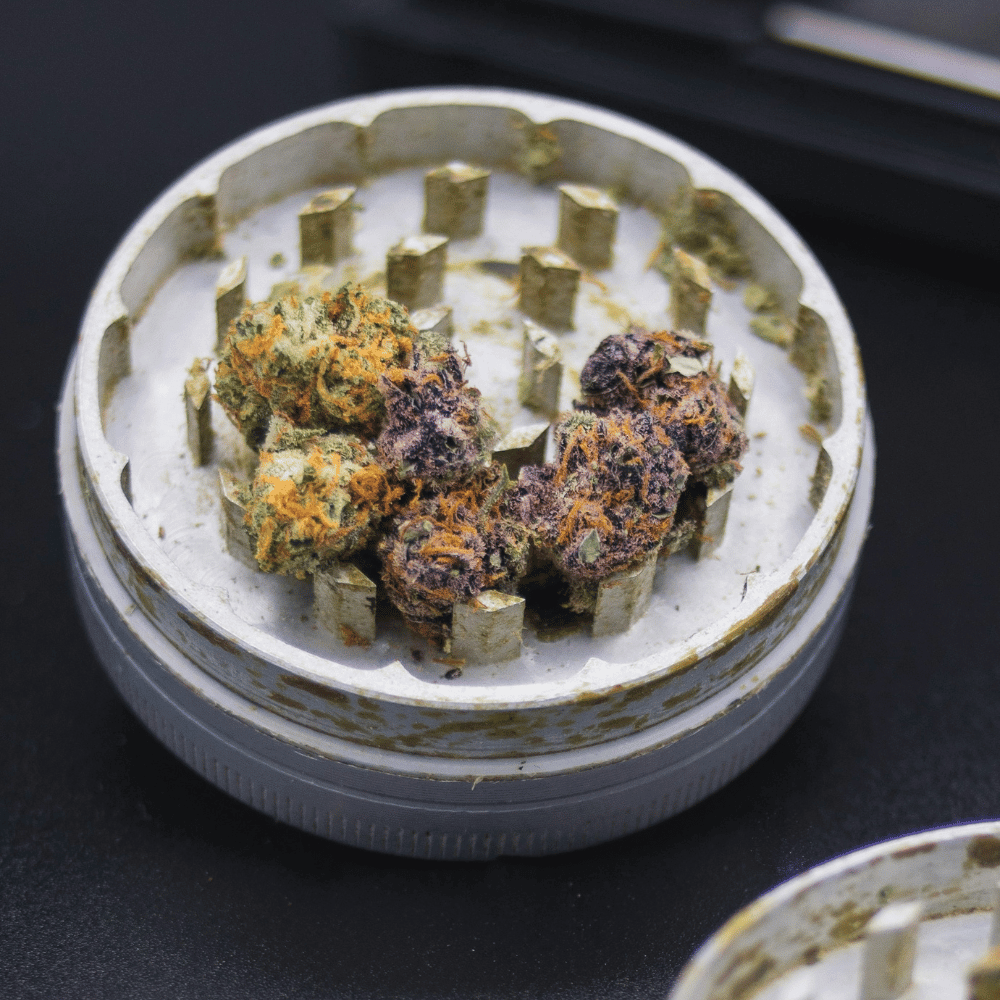
And yes, the ash conversation exists. Don’t turn it into a personality trait. But if the burn is harsh, the cure probably wasn’t treated like a priority.
The “craft” experience is consistency, not perfection
Here’s the honest part: craft cannabis is still agriculture. It’s plants. Plants are dramatic. Even the best growers deal with:
- Slight batch variation
- Seasonal changes
- Phenotype differences
- Supply limits (because small-batch is small-batch)
Craft doesn’t mean flawless. It means the grower is paying attention and doing the work.
So if a batch is a little different, that’s not automatically a problem. If it’s consistently rushed, dry, or dull, that’s a pattern. Patterns matter.
How to buy craft cannabis like you’ve done this before
Walk in with a plan. Use these rules.
- Ask for cultivation details first. Make “how it’s grown” the lead question.
- Choose freshness with intention. Not just newest date, but properly finished flower.
- Trust your nose, then confirm with info. Aroma is your first lab test.
- Favor growers and shops that can explain the product. If they can’t, they don’t know it or don’t care. Neither is cute.
- Buy smaller amounts when trying a new batch. Craft is quality-focused, but your preferences still run the show.
Repeat after me: Buy the process, not the hype. Buy the process, not the hype.
Why boutique shops talk about “craft” (and why you should listen)
Craft cannabis aligns naturally with boutique dispensaries because the whole point is curation. A craft-focused shop is basically saying:
- We care about how it’s grown
- We care about how it’s handled after harvest
- We care about terpene-rich, properly finished flower
- We don’t want you to gamble on mystery jars
And that’s the real buyer benefit. Not bragging rights. Predictable quality.
In places like Long Beach, that boutique approach matters because the market is loud. Everyone has a banner. Everyone claims quality. Craft is how you separate “nice packaging” from “nice plant.”
Final takeaway: craft is a method, not a mood
If you remember one thing, make it this: craft cannabis is defined by small-batch care and intentional post-harvest handling. Look for signs like hand-trimming, hang-drying, living soil practices, and a slow cure. Ask questions. Expect details. Demand proof.
Because when craft is real, it’s obvious.
The jar tells you. The nose tells you. The first pull tells you.
Buy accordingly.
FAQs (Frequently Asked Questions)
What exactly is craft cannabis and how does it differ from regular cannabis?
Craft cannabis refers to flower produced through small-batch cultivation with hands-on quality control at every stage, including thoughtful genetics selection, slow harvesting, hang-drying, and hand-trimming. Unlike regular cannabis that may prioritize yield or speed, craft focuses on quality and intentional methods from seed to jar.
Why does the term 'craft' matter when choosing cannabis flower?
The 'craft' label reflects a process that results in flower with specific, layered aromas, lasting flavors, cleaner burns, and clearer, strain-true effects. Craft practices ensure the cannabis smells alive and feels more intentional rather than vague or harsh.
How can I identify real craft cannabis when shopping?
Look for signs like small-batch growing, hand-trimmed buds with intact structure and visible trichomes, living soil cultivation methods, and evidence of hang-drying with slow curing. Asking questions about cultivation style, trimming methods, soil use, and drying processes helps spot authentic craft flower.
What is small-batch cultivation and why is it important for craft cannabis?
Small-batch cultivation means growing cannabis in smaller quantities to allow more attention per plant, faster issue detection (like pests), better harvest timing consistency, and careful post-harvest handling. This focus on quality over scale is the backbone of craft cannabis production.
Why is hand-trimming preferred in craft cannabis production?
Hand-trimming is gentler on buds than machine trimming; it preserves delicate trichomes and maintains the natural bud structure without causing ragged edges or a processed feel. Though not mandatory for quality, it's a signal of care in handling the flower.
What role does living soil play in producing craft cannabis?
Living soil is a rich ecosystem of microbes and organic matter that supports plant health naturally. Using living soil often leads to richer terpene expression and a fuller flavor profile. It requires patience and skill to manage biology rather than just adding nutrients, making it a hallmark of craft cultivation.
Jenna Renz
Jenna is a California-based creative copywriter who’s been lucky enough to have worked with a diverse range of clients before settling into the cannabis industry to explore her two greatest passions: writing and weed.

Related Articles
Long Beach Cannabis: Delivery vs Dispensary Pickup - Which Should You Choose?
Long Beach cannabis shopping comes down to one simple fork in the road: do you want it brought to you, or do you want to go get it yourself?
8 MinJune 22, 2026 Jenna Renz
Weed Delivery in Long Beach: Same-Day Cannabis, Zip Codes & How to Order
Weed delivery in Long Beach is the easiest way to get legal cannabis to your door fast, without circling for parking, waiting in line, or pretending you “just like the smell” in a dispensary lobby.
8 MinJune 22, 2026 Jenna Renz
How to Roll the Perfect Joint: A Step-by-Step Beginner's Guide
How to roll the perfect joint starts with one simple truth: your hands will feel clumsy the first few times, and that is completely normal. Rolling is a tiny craft. You are learning a new “knot,” like tying a tie or using chopsticks. The trick is to follow a clean process, keep your materials tidy, and repeat the same motions until your fingers stop panicking.
8 MinMay 22, 2026 Jenna Renz