


Rosin vs Resin: Understanding the Differences in Cannabis Concentrates

Cannabis concentrates have become a cornerstone of the modern cannabis experience, offering higher potency, more intense flavors, and versatile consumption methods. Among the wide array of cannabis concentrates, two names consistently surface in discussions among cannabis connoisseurs: rosin and resin. While their names sound similar, the main difference between the two lies in their extraction processes, starting materials, and final flavor profiles. Understanding the nuances between rosin vs resin is essential for anyone looking to enjoy premium cannabis concentrates and achieve an authentic cannabis experience.
Whether you’re a casual consumer or a dedicated connoisseur, diving into the world of rosin and resin unlocks insights into high-quality concentrates, solventless extraction processes, and how extraction methods influence potency, flavor, and aroma. This guide will break down all the essential details you need to know about cannabis rosin, live resin, and everything in between.
What is Rosin?
Rosin is a solventless cannabis concentrate created through a solventless extraction process that uses only heat and pressure to extract cannabinoids and terpenes from cannabis flower or other cannabis material. Unlike resin extraction, no chemical solvents are involved, making rosin a favorite among consumers seeking pure THC and a clean, chemical-free experience.
The production process is surprisingly straightforward, which is why some enthusiasts can even produce rosin at home. By pressing cannabis plants or hash rosin between parchment paper with a rosin press or even a hair straightener at high heat, the desirable oils seep out. The resulting rosin products are typically soft and sticky, though they can be manipulated into shatter-like textures depending on the high heat and pressure applied.
Rosin can be made from cured cannabis, bubble hash, or freshly frozen cannabis, producing variants like live rosin. Its appeal lies in the solventless cannabis concentrate purity and the ability to preserve delicate flavor profiles, ensuring consumers get a truly flavorful concentrate.

What is Resin?
On the other hand, resin refers to cannabis concentrates typically created through resin extraction using solvents like butane hash oil (BHO), carbon dioxide, or hydrocarbon extraction techniques. Unlike rosin, which is solventless, resin and live rosin differ because resin products rely on specialized equipment like a closed loop extraction system to pull out cannabinoids and terpenes from cannabis plants.
Live resin, in particular, is made from flash frozen cannabis plants or freshly frozen cannabis, bypassing the traditional curing process. This ensures that the minor compounds and delicate terpenes remain intact, resulting in a high-quality concentrate with a rich, intense aroma and robust flavor profiles. Both live resin and cured resin offer high potency, often higher than solventless rosin, due to precise processing methods and careful control over the extraction processes.
Resin products vary depending on processing, taking forms such as shatter, wax, budder, and sauce. While potent and flavorful, residual solvents are always a consideration, making third-party lab testing crucial for safety-conscious consumers.
Key Differences Between Rosin and Resin
The key differences between rosin vs resin center around extraction methods, starting materials, and final experience:
- Extraction Method: Rosin relies on a solventless extraction process, whereas resin uses hydrocarbon extraction, carbon dioxide, or butane hash oil.
- Flavor and Aroma: Rosin tends to have a clean, natural flavor, while resin preserves a broader spectrum of terpenes, resulting in richer, flavorful concentrates.
- Potency: Resin products generally have high potency due to the efficiency of resin extraction, though rosin can vary depending on the starting material.
- Production Process: Rosin can be made at home using a rosin press, hair straightener, and parchment paper, while resin requires specialized equipment and precise lab conditions.
While they may sound similar, the differences affect the consumption methods, texture, aroma, and overall authentic cannabis experience.
Potency and Cannabinoid Content
When comparing rosin and resin, potency is often a major deciding factor. Resin products, especially live resin, tend to contain higher THC percentages, sometimes exceeding 80% in lab tests. This is partly due to frozen plant material preserving minor compounds and cannabinoids that contribute to high potency.
Rosin, particularly hash rosin or live rosin, retains pure THC and other cannabinoids, though potency can vary depending on the cannabis material used and how the solventless extraction process is conducted. Even though rosin may have slightly lower THC than some resin products, it often offers a cleaner, more flavorful experience without residual solvents.
The presence of minor compounds in both rosin and resin contributes to the entourage effect, amplifying the psychoactive and therapeutic impact of cannabis beyond THC alone.
Flavor and Aroma Profiles
Flavor is one of the most immediately noticeable differences between rosin and resin.
- Rosin products preserve the natural flavors of the cannabis plant in a subtle, earthy manner. The solventless cannabis concentrate ensures no chemical traces interfere with taste.
- Resin, particularly live resin vs cured resin, retains flash frozen cannabis’ delicate terpenes, giving a flavorful concentrate that bursts with intense aroma.
Flavor profiles are influenced by the starting material (cured or freshly frozen) and extraction process, and both rosin and resin can offer unique sensory experiences. Cannabis connoisseurs often choose rosin and resin based on whether they prioritize purity or complex, flavorful concentrates.
Production Methods
The production process differs dramatically between rosin vs resin.
Making rosin involves:
- Selecting cannabis flower or bubble hash as starting material
- Applying high heat and pressure with a rosin press or even a hair straightener
- Collecting the concentrate on parchment paper
This solventless extraction approach is accessible for home users, making solventless cannabis concentrate like rosin popular among DIY enthusiasts.
Resin production, however, requires specialized equipment and careful processing methods:
- Hydrocarbon extraction using butane hash oil or carbon dioxide
- Closed loop extraction system to capture cannabinoids safely
- Flash freezing cannabis plants to preserve minor compounds and terpenes
While more complex, resin and live rosin can achieve high-quality concentrates with superior flavor profiles and high potency.

Safety and Purity
Rosin has an inherent advantage in safety and purity. Because it’s solventless, there’s virtually no risk of residual solvents, making it a top choice for consumers seeking a clean, authentic cannabis experience.
Resin products, while highly potent and flavorful, may contain traces of residual solvents if the extraction processes aren’t carefully executed. Lab testing is essential to ensure premium cannabis concentrates are safe and compliant.
For cannabis connoisseurs, the choice often boils down to whether the solventless extraction of rosin or the rich, terpene-heavy experience of resin better suits their consumption preferences.
Forms and Consistency
Both rosin products and resin products come in a variety of textures:
- Rosin: sap, shatter, hash rosin, and cartridges
- Resin: shatter, wax, budder, sauce, diamonds
The texture affects how each concentrate is consumed—whether dabbed, vaped in vape cartridges, or added to cannabis flower. An airtight container is recommended for storage to preserve flavor profiles and potency over time.
Cost Comparison
Price is another consideration when choosing rosin vs resin.
- Rosin: Generally more expensive due to labor-intensive production process and lower yields from solventless extraction.
- Resin: Prices vary depending on potency, terpene content, and form, but resin products are often more accessible in dispensaries.
Consumers should weigh high-quality concentrates, flavor, and safety against cost for the best value.
Best Use Cases for Rosin
Rosin products shine for:
- Flavor-focused consumers
- Those seeking solventless cannabis concentrates
- DIY enthusiasts producing solventless extraction at home
- Vape cartridges and dabbing
Its clean, subtle flavors and absence of solvents make rosin ideal for those prioritizing purity over extreme potency.
Best Use Cases for Resin
Resin and live rosin cater to users who want:
- Maximum potency
- Preserved minor compounds and terpenes
- Complex flavor profiles in vape live resin or dabs
- Professional-grade concentrates for dispensaries
Both live resin and cured resin provide high-quality concentrates for the seasoned cannabis connoisseurs who value taste and strength.
Legal Considerations
Legal factors can influence whether you choose rosin vs resin.
- Solventless extraction (rosin) is generally safer for home production.
- Resin production with hydrocarbons requires compliance with state and local laws, often necessitating lab certification.
- Regional restrictions may affect consumption methods and availability of premium cannabis concentrates.
Always check local regulations before producing or purchasing cannabis extracts.
Rosin vs Resin: Which Should You Choose?
Choosing between rosin and resin comes down to personal preferences, priorities, and desired effects:
- Rosin: cleaner, solventless cannabis concentrate, ideal for flavor, purity, and DIY production
- Resin: potent, flavorful, terpene-rich concentrate, better for high-intensity experiences and advanced consumption methods
For beginners, rosin offers an approachable introduction to cannabis concentrates, while resin may appeal to experienced users seeking high potency and complex flavor profiles.
Quick decision guide:
- Flavor-focused? Rosin
- Potency-focused? Resin
- DIY-friendly? Rosin
- Lab-grade experience? Resin

Conclusion
In the world of cannabis concentrates, understanding rosin vs resin empowers consumers to make informed choices. While rosin and resin share the goal of delivering high-quality concentrates, the extraction method, starting material, flavor profiles, and safety considerations set them apart.
Whether you opt for solventless extraction, producing rosin products at home, or prefer the high potency and rich flavor of live resin, both options deliver a unique and satisfying authentic cannabis experience. With careful selection, proper storage, and mindful consumption, both rosin and resin products can elevate your enjoyment of cannabis plants in versatile, flavorful ways.
Frequently Asked Questions
1. What's better, resin or rosin?
There’s no one-size-fits-all answer—it depends on what you’re looking for. Rosin is ideal if you want a solventless cannabis concentrate that’s clean, flavorful, and easy on safety, with no residual solvents. Resin, particularly live resin, excels in high potency and complex flavor profiles, preserving minor compounds and terpenes for a more intense experience. Your choice depends on whether you prioritize purity, potency, or flavorful concentrate experience.
2. Is rosin better for your lungs?
Yes, generally. Because rosin products are created via a solventless extraction process, there’s no risk of residual solvents from chemical resin extraction. This makes rosin a safer option for inhalation, especially if you’re using vape cartridges or dabbing. That said, any smoke or vapor carries risks, so moderation and proper consumption methods are still important.
3. Do violins use resin or rosin?
Violins use rosin, not cannabis resin. The rosin applied to a bow helps it grip the strings to produce sound. It’s made from the hardened resin of pine trees—completely different from cannabis rosin—but shares the sticky, concentrated qualities that give it grip and friction.
4. Can you put rosin in a joint?
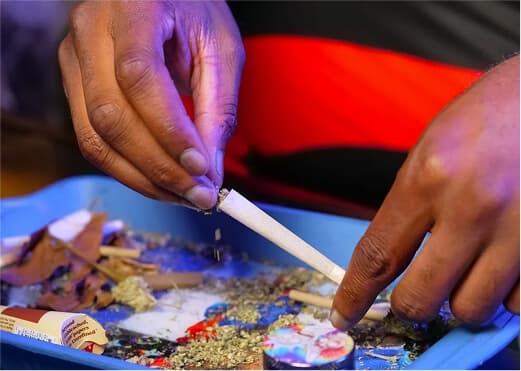
Absolutely! You can sprinkle cannabis rosin onto a joint or blunt to enhance potency and flavor. Many users combine rosin products with cannabis flower to create a flavorful concentrate experience while enjoying traditional smoking methods. Just make sure it’s evenly distributed to avoid uneven burning.
Jenna Renz
Jenna is a California-based creative copywriter who’s been lucky enough to have worked with a diverse range of clients before settling into the cannabis industry to explore her two greatest passions: writing and weed.

Related Articles
Long Beach Cannabis: Delivery vs Dispensary Pickup - Which Should You Choose?
Long Beach cannabis shopping comes down to one simple fork in the road: do you want it brought to you, or do you want to go get it yourself?
8 MinJune 22, 2026 Jenna Renz
Weed Delivery in Long Beach: Same-Day Cannabis, Zip Codes & How to Order
Weed delivery in Long Beach is the easiest way to get legal cannabis to your door fast, without circling for parking, waiting in line, or pretending you “just like the smell” in a dispensary lobby.
8 MinJune 22, 2026 Jenna Renz
What Does 'Craft Cannabis' Actually Mean? A Buyer's Guide
Craft cannabis is not a fancy way to say “expensive weed.” It’s a way to describe how the flower is grown, handled, and finished, from seed to jar. Think of it like bread. You can buy factory loaf or you can buy the sourdough your neighbor babysat for 36 hours and refuses to shut up about. Craft cannabis is the sourdough.
8 MinMay 22, 2026 Jenna Renz