


Terpene Shopping: What to Buy (and What to Skip)

Terpene shopping sounds simple until you actually start doing it, because suddenly everything is “pure,” “strain specific,” “100% cannabis derived,” and somehow also “food grade,” all at the same time. And you are just trying to buy something that smells good, tastes right, and does what you think it is supposed to do. Not a weird science experiment in a mystery dropper bottle.
I’m going to make this practical. What to buy. What to skip. What labels usually mean. What red flags are real. And what is mostly marketing.
Also, quick but important: if you are shopping in a licensed California cannabis environment, you already know the drill. You must be 21+ to purchase or consume unless you are a qualified medicinal patient. Effects can be delayed up to two hours. Cannabis can impair driving and operating machinery. Keep out of reach of children and animals. Cannabis use while pregnant or breastfeeding may be harmful. And yes, California Prop 65 warnings apply for products that expose you to chemicals including THC that can cause birth defects or reproductive harm. So. Be careful, go slow, and be honest with yourself about what you are using and why.
First, what are you actually buying when you buy “terpenes”?
Terpenes are aromatic compounds found in tons of plants. Citrus peels. Pine needles. Lavender. Hops. Cannabis. They are a big part of why one flower smells like sweet gas and another smells like mango peel and fresh dirt.
In cannabis, terpenes can also influence the experience. Not in a magical “this terpene guarantees sleep” way. More like. They can shape how a product feels, tastes, and hits, especially alongside cannabinoids.
And that’s the key phrase. Alongside cannabinoids.
If a company is pitching terpenes like they are a standalone cure button, or like one drop will replicate an entire strain, you should slow down and read the label with a little suspicion. Terpenes matter. But they are not the whole story.
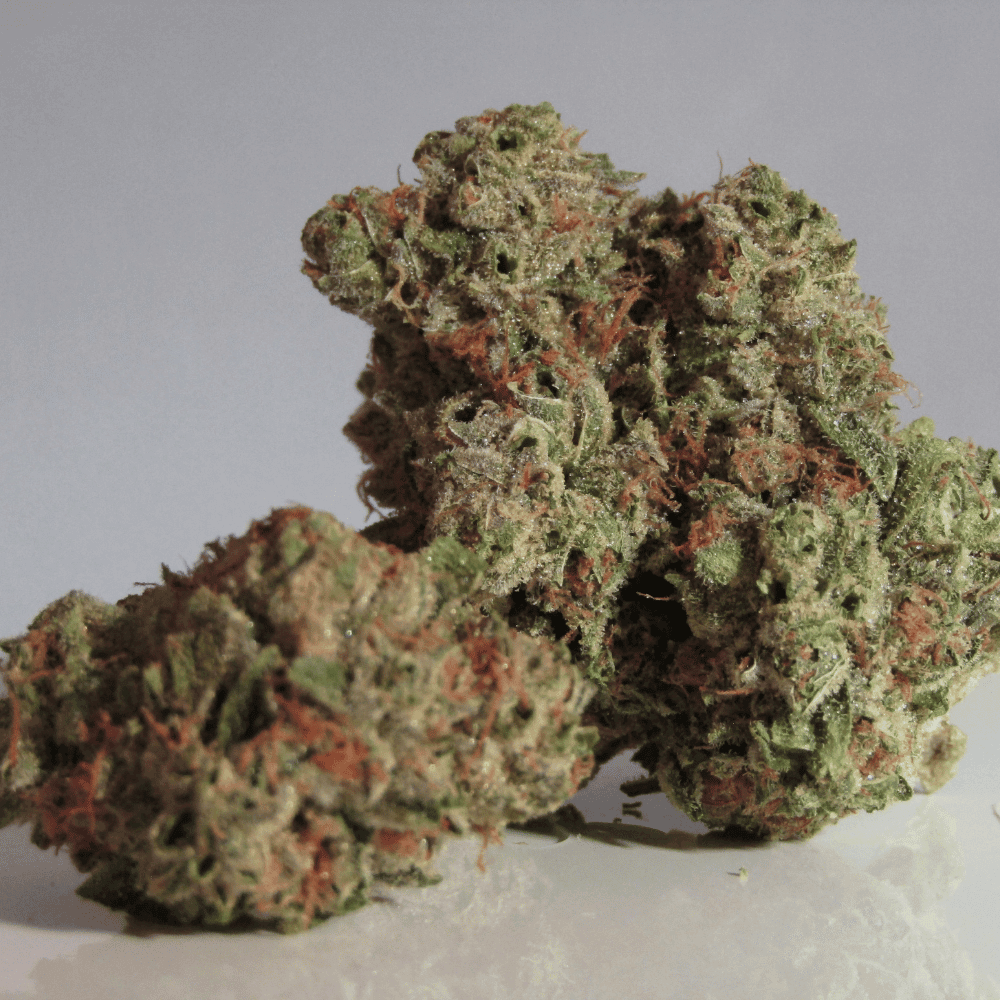
The two big terpene categories: cannabis derived vs botanically derived
You will see these everywhere, so let’s de-mystify them.
Cannabis derived terpenes (CDT) are extracted from cannabis. In theory, they can get you closer to cannabis’s native aroma profile. In practice, quality varies a lot based on extraction method, storage, and how aggressively the product is diluted or “standardized.”
Botanically derived terpenes (BDT) come from non cannabis plants, like citrus, pine, herbs, and so on. They can still smell amazing. Some are extremely clean and consistent. They are also usually cheaper, and easier to scale.
Here’s the honest take.
If your goal is the most authentic “cannabis” nose and flavor, CDT usually wins when it’s done right.
If your goal is a clean, bright flavor profile for carts, edibles, or beverages, BDT can be totally fine. Sometimes better, honestly, because it can be less funky, less sulfurous, less “why does this taste like burnt rubber” when heated.
What you should not do is treat CDT as automatically premium or BDT as automatically fake. Both can be great. Both can be sketchy.
What to buy: the terpene products that are usually worth it
1. Terpenes with full lab testing that you can actually read
This sounds obvious, but terpene shopping gets messy fast because the internet is full of bottles with almost no documentation. You want a brand that provides current, batch specific testing, ideally with:
- A terpene profile (what’s in it, and roughly how much)
- Residual solvent testing (especially for CDT)
- Pesticide screening (again, especially relevant for plant derived extracts)
- Heavy metals and microbials where applicable
- Clear ingredients and a real manufacturing location, not just vague “crafted in the USA” copy
If a brand hides behind “proprietary blend” while refusing to show a basic COA, skip. There are too many good options to gamble.
2. Terpenes packaged like the company expects you to care
Small thing, but telling. Good terpenes are usually packaged in a way that protects them.
Look for:
- Amber or opaque glass, not clear plastic
- Tight sealing caps, ideally with a reducer insert
- Batch numbers and manufactured dates
- Storage guidance (cool, dark, minimal oxygen exposure)
Terpenes oxidize. Heat and light mess them up. If a bottle arrives warm and smells sharp in a “cleaning solvent” way, you may not be imagining it.
3. “Single terpene” bottles if you want control
A lot of people start with “strain blends” because it sounds fun. But strain blends are also where brands can hide mediocre inputs under a loud label.
If you are mixing, experimenting, or trying to dial flavor, single terpenes are useful. Limonene. Myrcene. Linalool. Beta caryophyllene. Pinene. Terpinolene. You can learn what you actually like.
It’s also easier to troubleshoot. If something tastes harsh, you can adjust one component instead of throwing away a whole blend.
4. Simple, believable blends with sane percentages
If you do buy blends, look for ones that are not trying to do the most.
A good blend usually:
- Has a small set of dominant terpenes
- Smells coherent
- Does not claim to be “exactly Gelato 41 from that one batch in 2019” or whatever
- Gives you recommended dilution ratios and safety notes
You want a brand that talks like adults talk. Not like a hype page.
5. Terpenes intended for your actual use case
This is the part people ignore, then they wonder why everything tastes weird.
Terpenes for:
- Vape carts should be formulated and tested with heating in mind. Some blends taste great cold and terrible hot.
- Edibles need to work with fats, sugars, and cooking temps. Many terpenes are volatile and will flash off.
- Beverages need emulsification and stability. Straight terpenes dumped into a drink is… not it.
- Flower enhancement is its own lane, and honestly often a bad idea, but if you do it, you want ultra low application and proper rest time.
If a product is marketed as perfect for literally everything, I get cautious.
What to skip: common terpene traps that waste money (or cause problems)
1. No COA, no batch number, no thanks
This is the easiest skip. If you cannot verify what it is, you are trusting branding and vibes. Terpenes are concentrated aromatics. You do not want mystery aromatics.
2. “Strain specific” blends that smell like candy or cologne
Some people love a super candy profile, and fair enough. But if you are looking for something that tastes like cannabis, a lot of these “strain specific” blends are basically fruit and perfume notes with a weed themed name slapped on top.
If you open it and it smells like:
- blue raspberry syrup
- dollar store air freshener
- a scented marker
- bubblegum body spray
That’s not automatically unsafe. It’s just usually not the experience people think they are buying when they want “terpenes.”
3. Overly aggressive marketing about effects
This part matters. Terpenes can influence the vibe, but the cannabis experience comes from the whole chemical picture. Cannabinoid ratios, dose, delivery method, your tolerance, your body.
So when a label says:
- “Guaranteed sleep”
- “Instant focus”
- “Anti anxiety” (especially without any responsible disclaimers)
- “Mimics a full indica high”
That is not how responsible companies talk. It’s either ignorance or manipulation. Skip.
4. Terpene bottles that push high dilution rates
This is a sneaky one.
If a brand suggests using a lot of terpenes, like high single digit percentages, or implies “the more the better,” be careful. Terpenes can be harsh at high concentrations, and they can irritate the lungs when inhaled.
In vape formulations, terpene percentages vary by style, but generally, you do not want to overdo it. If you are not experienced, start low. If you are experienced, you already know why I’m saying that. Too much terpene blend can turn a cart into a throat punch.
Also, terpenes are solvents. They can thin. They can interact with materials. Which brings me to…
5. Sketchy packaging compatibility (especially for DIY vapes)
If you are doing DIY, you need to be careful about what terpenes touch. Some plastics and rubbers do not like terpenes. They can degrade. Leach. Swell. Taste off.
If you see companies selling terpenes in flimsy plastic droppers with no real spec, I would not use that for anything you plan to inhale.
6. Anything suggesting ingestion “straight”
This is not medical advice, but I’m going to be blunt: do not treat terpenes like a supplement shot. They are concentrated. They need proper dilution and formulation for whatever you’re making.
If a brand encourages you to swallow drops directly, or it’s being sold like essential oil wellness content, I’d skip. Remember, terpenes are not medicinal supplements, and treating them as such could lead to undesirable effects.
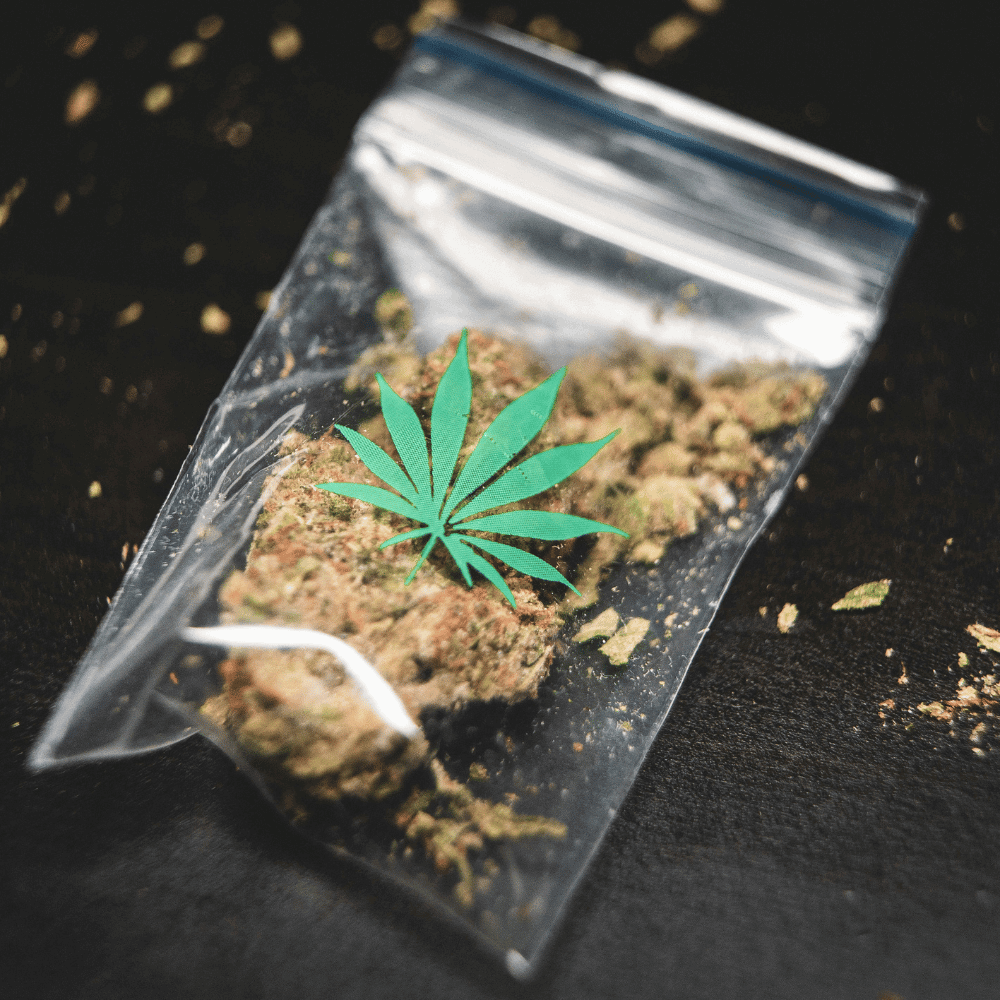
How to read terpene labels without getting played
A few quick translation notes.
“Food grade” is not the same thing as “safe to vape.” A lot of ingredients are safe to eat and not great to inhale. In fact, some of the volatile organic compounds found in these substances could negatively impact indoor air quality when inhaled.
“Natural” does not mean safe, pure, or non irritating.
“Organic” can be meaningful, but it can also be meaningless if it is not backed by real certification and testing.
“Solventless” is tricky. Some terpenes can be captured without solvents, sure. But the term gets abused. If you care, ask what extraction method was used and look at residuals testing.
“Diluted in MCT” or other carriers might be okay for topical or certain edible uses, but it is generally not what you want for vape applications. Carrier oils and inhalation are a whole separate risk conversation.
A simple buying checklist (keep this in your head)
When you are about to buy, ask:
- Do they provide a current COA, batch specific?
- Is it clear if it is CDT, BDT, or a mix?
- Is the intended use clearly stated, and does it match what I’m doing?
- Is the packaging protective and properly labeled?
- Are their effect claims responsible, or kind of ridiculous?
- Do reviews talk about harshness, chemical smell, headaches? Patterns matter.
- Is the company reachable, with a real footprint?
If you cannot answer at least most of those questions positively, you might just be purchasing a pretty bottle filled with an unknown smelling liquid.
A quick word on using terpenes safely (especially if you are DIY-ing)
Terpenes are powerful. Like, you open the bottle and your whole room becomes that smell in three seconds. That is your reminder.
- Start low. You can add more, you cannot remove it.
- Give blends time to homogenize. Immediately after mixing, things can smell sharp.
- Store cool and dark, lids tight.
- If you feel irritation, stop. Do not “push through” a harsh blend.
- Keep away from kids and animals, always.
- And if you are consuming cannabis products, remember effects can be delayed up to two hours. Do not stack doses because you got impatient.
So what should you buy, in one sentence?
Buy terpenes that are tested, clearly labeled, and made for your actual use case. Skip mystery blends with loud promises, no documentation, and a perfume vibe that makes your throat hurt just thinking about it.
Wrap up
Terpene shopping gets weird because it sits right between legit cannabis science and pure marketing theater. The best way through is boring, honestly. Verify the labs. Buy from brands that behave like manufacturers, not like hype pages. Choose blends that smell real and make sense. Use less than you think you need.
And keep the bigger context in mind. Cannabis is legally restricted, for adults 21 and up unless you are a qualified medicinal patient. It can impair driving and machinery use. It may be harmful during pregnancy or breastfeeding. Keep it away from children and animals. Be patient with dosing because effects can be delayed. And in California, Prop 65 warnings exist for a reason, so do not hand wave them away.
If you shop like that, you end up with terpenes that actually improve the experience instead of turning it into a headache. That’s the goal.
FAQs (Frequently Asked Questions)
What are terpenes and why do they matter in cannabis products?
Terpenes are aromatic compounds found in many plants, including cannabis. They contribute to the distinct smells and flavors of different cannabis strains, such as sweet gas or mango peel. In cannabis, terpenes can influence how a product tastes, smells, and feels, especially when combined with cannabinoids. However, they do not guarantee specific effects on their own.
What is the difference between cannabis derived terpenes (CDT) and botanically derived terpenes (BDT)?
Cannabis derived terpenes (CDT) are extracted directly from cannabis plants and can provide a more authentic cannabis aroma profile when done correctly. Botanically derived terpenes (BDT) come from non-cannabis plants like citrus or pine and often offer clean, consistent flavors that can be better suited for edibles or beverages. Both types can be high quality or sketchy; neither is automatically premium or fake.
How can I identify high-quality terpene products when shopping?
Look for terpene products with full lab testing that is batch-specific and accessible. Important tests include terpene profiles showing content and concentration, residual solvent testing (especially for CDT), pesticide screening, heavy metals and microbial tests where applicable. Avoid brands that hide behind proprietary blends without providing Certificates of Analysis (COAs). Also check for clear ingredient lists and verifiable manufacturing locations.
What packaging features indicate well-made terpene products?
Good terpene products are typically packaged to protect their quality: amber or opaque glass bottles rather than clear plastic; tight sealing caps ideally with reducer inserts; batch numbers and manufacturing dates printed clearly; and storage guidance recommending cool, dark environments with minimal oxygen exposure. Proper packaging helps prevent oxidation and degradation caused by heat and light.
Should I buy strain-specific terpene blends or single terpene bottles?
While strain-specific blends can sound appealing, they sometimes mask mediocre ingredients under marketing labels. Single terpene bottles—like limonene, myrcene, linalool—offer better control for mixing, experimentation, and flavor dialing. They also make troubleshooting easier if a product tastes harsh since you can adjust individual components instead of discarding an entire blend.
What legal considerations should I keep in mind when purchasing cannabis terpenes in California?
In licensed California cannabis environments, purchasers must be 21+ unless qualified medicinal patients. Effects from cannabis products can be delayed up to two hours; use caution when driving or operating machinery. Keep all cannabis products out of reach of children and pets. Cannabis use during pregnancy or breastfeeding may be harmful. Additionally, California Prop 65 warnings apply for products exposing users to chemicals like THC that may cause birth defects or reproductive harm.
Jenna Renz
Jenna is a California-based creative copywriter who’s been lucky enough to have worked with a diverse range of clients before settling into the cannabis industry to explore her two greatest passions: writing and weed.

Related Articles
Long Beach Cannabis: Delivery vs Dispensary Pickup - Which Should You Choose?
Long Beach cannabis shopping comes down to one simple fork in the road: do you want it brought to you, or do you want to go get it yourself?
8 MinJune 22, 2026 Jenna Renz
Weed Delivery in Long Beach: Same-Day Cannabis, Zip Codes & How to Order
Weed delivery in Long Beach is the easiest way to get legal cannabis to your door fast, without circling for parking, waiting in line, or pretending you “just like the smell” in a dispensary lobby.
8 MinJune 22, 2026 Jenna Renz
What Does 'Craft Cannabis' Actually Mean? A Buyer's Guide
Craft cannabis is not a fancy way to say “expensive weed.” It’s a way to describe how the flower is grown, handled, and finished, from seed to jar. Think of it like bread. You can buy factory loaf or you can buy the sourdough your neighbor babysat for 36 hours and refuses to shut up about. Craft cannabis is the sourdough.
8 MinMay 22, 2026 Jenna Renz