


Pre-Roll vs Joint vs Blunt: What's the Actual Difference?

Pre-roll vs joint vs blunt sounds like a pointless debate until you are actually standing there with weed in one hand and a decision in the other. Because yeah, they all get smoked. But they do not smoke the same, they do not taste the same, and they definitely do not fit the same moment.
This is the simple, foundational breakdown. What each one is, what it’s usually made from, how long it burns, where nicotine sneaks in, what filters have to do with anything, and how to pick the right option without overthinking it.
The quickest definitions (so we are on the same page)
Let’s get the core difference out of the way:
- Joint: Cannabis rolled in rolling paper. Usually thin paper, usually no tobacco involved. Can be hand rolled or made with a cone.
- Blunt: Cannabis rolled in a tobacco leaf or a tobacco based wrap (like a cigar wrap). This is the one where nicotine is commonly part of the experience, even if you did not ask for it.
- Pre-roll: A ready made joint (most of the time) sold by a dispensary or brand. You are buying convenience. It might be a classic joint style, it might be a mini, it might be a fat cone. But the defining thing is: it’s pre made for you.
So in a weird way, “pre-roll” is not always a third “wrap type” like joint vs blunt. It is more like a category of prepared product. But in everyday use, people mean “dispensary joint” when they say pre-roll. Which is fair.
Now let’s talk about what actually changes when you choose one.
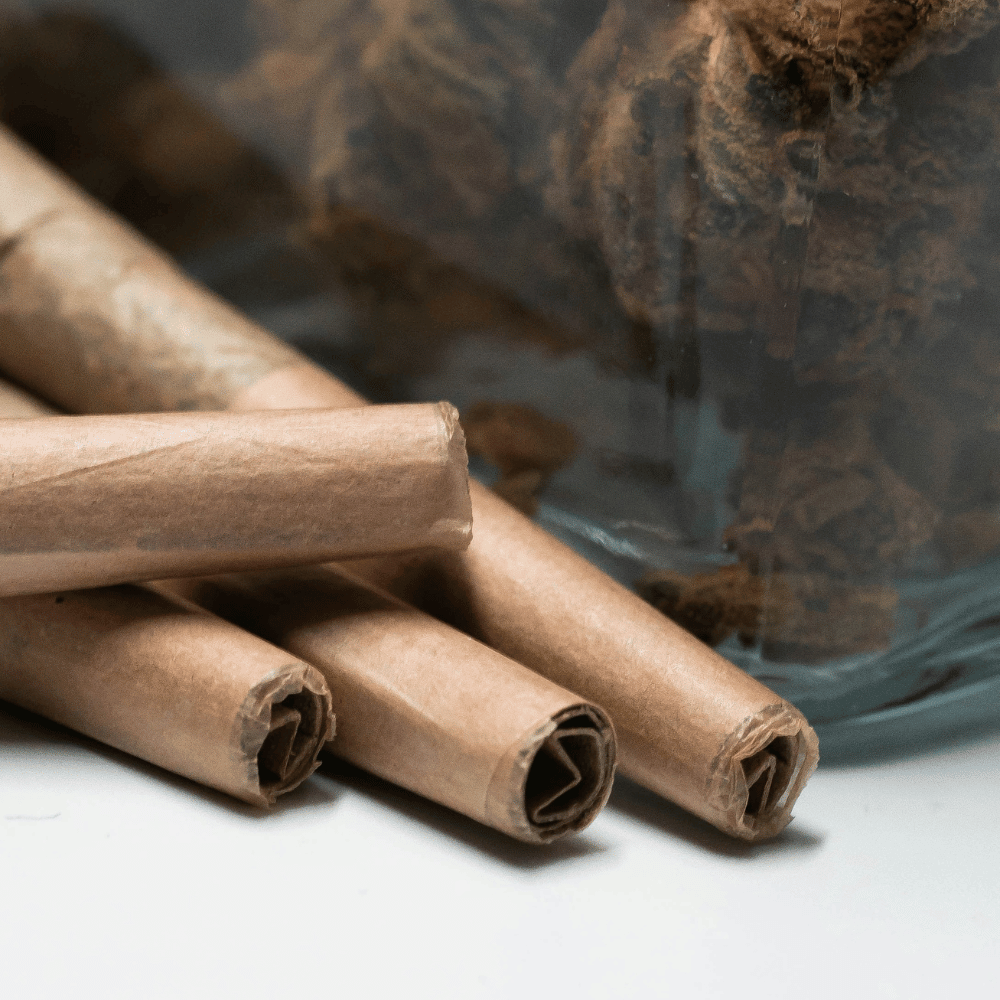
Wrap material is the real difference (and it changes everything)
Joint wrap: rolling paper
A joint is built around rolling paper. That paper might be rice, hemp, wood pulp, flax, whatever. But the common theme is: thin paper, clean burn, cannabis forward flavor.
Because the wrap is light, the weed taste comes through more. The smoke tends to feel a bit “sharper” than a blunt, but also less heavy and less lingering.
Blunt wrap: tobacco leaf or tobacco based wrap
A blunt is wrapped in tobacco leaf. Either you are using an actual cigar wrap you emptied out, or you are using a blunt wrap sold for rolling. Some wraps are clearly tobacco leaf. Some are processed and flavored and still basically tobacco.
This matters because:
- Tobacco leaf brings its own flavor and smell.
- It burns differently, usually slower and thicker.
- It can deliver nicotine. Not always an obvious buzz, but it’s there in many blunt wraps. And for some people, that changes the whole experience.
If you have ever thought, “Why does this blunt feel different than a joint, even with the same strain?” That’s why.
Pre-roll wrap: usually joint paper
Most dispensary pre-rolls are essentially joints you did not have to roll. They are usually paper, sometimes with a branded tip, sometimes in a cone shape.
So when people compare pre-roll vs joint, the wrap is often similar. The bigger differences are freshness, how it was filled, and what’s inside. But again, this pillar is about the formats themselves, so we’ll keep it to what you can expect structurally.
Burn time: which one lasts longer?
Burn time depends on size, how tight it’s packed, moisture level, and how windy it is outside. Still, some general truths hold up.
Blunts usually burn longer
Blunts tend to burn slower than joints. The wrap is thicker, and the whole thing is often rolled bigger. That means:
- better for groups
- better for passing around
- better for “hangout smoking” where you want it to last
The tradeoff is the smoke can be heavier and more intense, even before we get into nicotine.
Joints burn quicker (especially skinny ones)
Joints usually burn faster. Thin paper, smaller diameter, less mass. They are great when you want:
- a quicker session
- a more controlled dose
- less time committed to smoking
If you roll a joint perfectly and you smoke it slowly, it can last. But generally, joints are the “lighter, faster” lane.
Pre-roll burn time depends on the product
Pre-rolls vary a lot. Some are tiny and meant for one person. Some are cones that burn for a while. But a typical dispensary pre-roll tends to smoke like a joint, because… it basically is one.
One thing to know though. Pre-rolls can canoe or burn unevenly if they are packed inconsistently. It’s not guaranteed, but it happens more with pre-rolls than with a joint you rolled carefully for yourself.
Nicotine content: the blunt surprise
This is where people get caught off guard.
Joints and most pre-rolls: usually no nicotine
Rolling paper does not contain nicotine. Cannabis does not contain nicotine. So a standard joint or standard dispensary pre-roll is typically nicotine free.
Blunts: often contain nicotine because of the wrap
Tobacco leaf contains nicotine. Many blunt wraps are tobacco. So yes, blunts often bring nicotine into the session.
What that can mean in real life:
- a “head rush” feeling that is not just THC
- a slightly more stimulating effect
- for some people, nausea or dizziness, especially if they are not used to nicotine
- if you are avoiding tobacco for personal or health reasons, blunts may simply not be your thing
Also worth saying plainly. “But I did not put tobacco inside it.” You do not have to. The wrap alone can be enough to matter.
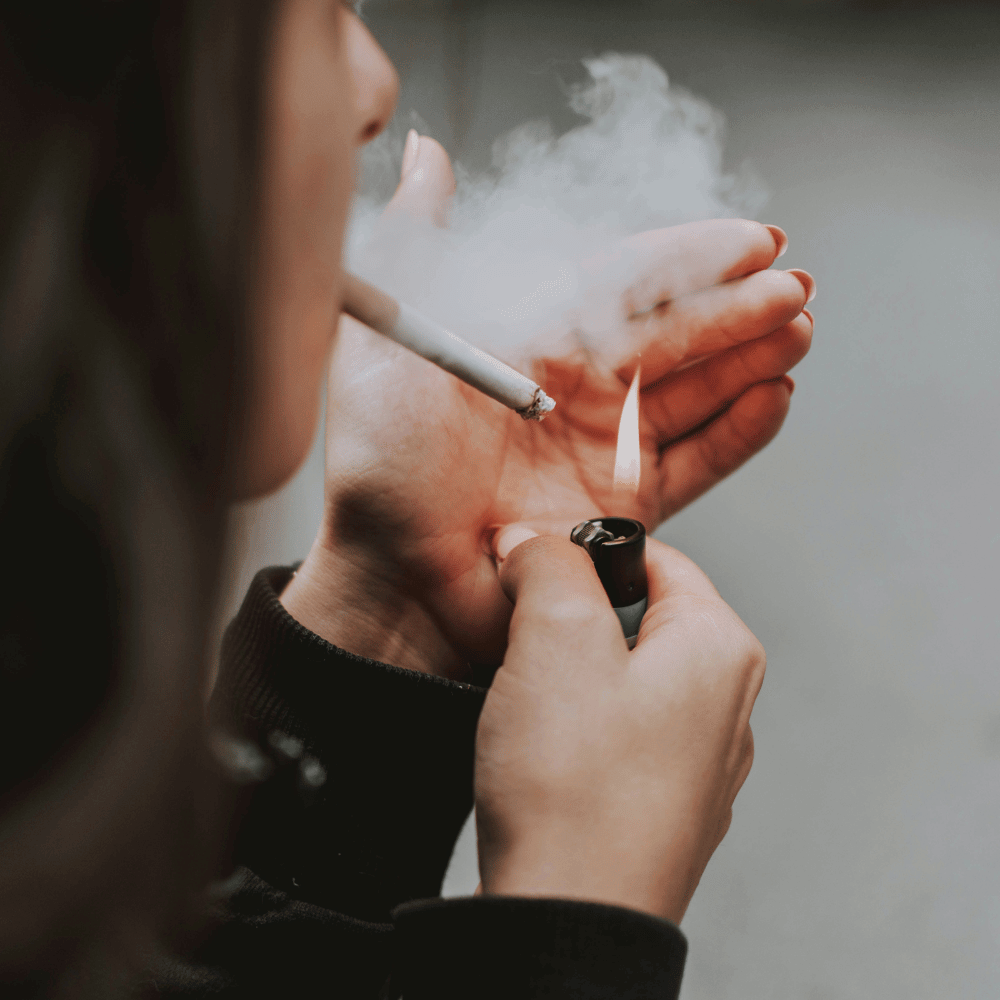
Filters and tips: comfort, control, and less waste
Not everybody uses filters, but they change the experience more than people admit.
Joints often use a crutch (tip), not always a “filter”
A lot of joint smokers use a paper tip, sometimes called a crutch. It’s usually just folded cardstock or a pre made tip. It does not “filter” like a cigarette filter. It mostly:
- keeps the end from collapsing
- keeps bits of flower out of your mouth
- helps airflow so the joint pulls better
- lets you smoke it closer to the end without burning your fingers
Pre-rolls commonly include a tip
Many pre-rolls come with a built in tip. This is one reason they feel easy to use, especially for beginners. It’s more stable, and it feels more like a finished product.
Blunts may or may not use a tip
A lot of blunts are smoked without a tip. Some people like that classic blunt feel. Some people add a glass tip or paper tip for smoother pulls.
Blunts can get a little harsh near the end. A tip can help, but it’s not traditional for everyone.
Flavor and smoothness: what you’ll actually notice
Joints taste more like the strain
If you care about terpene flavor, joints usually win. The paper is subtle (especially if you choose a clean paper), so you get more of the actual flower.
This is why joints are the go to for people who treat smoking like tasting. Like wine people, but for weed. You know the type.
Blunts taste like the wrap too
Blunts bring that tobacco leaf flavor. Even “unflavored” wraps have a taste. And flavored wraps taste like, well, the flavor.
Some people love it. Some people feel like it covers up the weed. Neither is wrong, it’s just preference.
Pre-rolls can be hit or miss
A good pre-roll tastes great. A dry, old, or poorly packed pre-roll can taste stale or burn hot.
This is not to scare you off. It’s just the reality of buying something that was rolled at scale and sat in a tube for a while.
Convenience: who wins?
This one is easy.
- Pre-rolls are the most convenient. Buy, open, light.
- Joints are convenient if you can roll or you have cones. But it still takes a minute. If you're unsure about rolling, you might want to check out this in-depth guide on how to roll a joint.
- Blunts take the most effort if you are doing them the traditional way, especially if you are breaking down a cigar or working with a wrap that needs a little finesse. For those interested in mastering the art of blunt rolling, here's a helpful guide.
Convenience is not a small thing, by the way. The best smoke is the one you can actually pull off when you are tired, out with friends, or just not trying to make a whole project out of it.
Which should you pick, based on the occasion?
People love to ask “Which is better?” but it’s not really like that. It’s more like, what are you doing right now?
Pick a pre-roll if you want zero effort
Pre-rolls make sense when:
- you are new and do not want to learn rolling yet
- you are heading out and want something portable
- you want something consistent and simple
- you want to try a format without buying a bunch of supplies
It’s the “grab and go” option. Also a solid choice for social settings where nobody wants to stop and roll.
Pick a joint if you want control and clean flavor
A joint makes sense when:
- you want the weed flavor to be the main thing
- you want to choose your own amount and roll size
- you want a quick solo session
- you want a lighter smoke compared to a blunt
It’s also the easiest way to keep tobacco totally out of the equation.
Pick a blunt if it’s a longer, heavier, social smoke
A blunt makes sense when:
- you are smoking with friends and want it to last
- you like the richer, thicker smoke
- you actually enjoy the tobacco leaf taste
- you want that specific blunt vibe, because yes, it’s a vibe
But if you are nicotine sensitive, or you do not mix well with tobacco, a blunt can go from fun to unpleasant fast.
A couple small things that people forget
Smoke smell lingers more with blunts
Blunts tend to leave a stronger smell on your clothes and in the room. Tobacco does that. If discretion matters, keep that in mind. You might want to consider some strategies on how to get rid of cigarette smell in house if you're smoking indoors.
Harshness is not always about strength
A blunt can feel harsher because the wrap is heavier. A joint can feel harsh if it burns too hot or is rolled too tight. A pre-roll can be harsh if it is dry. Different causes, similar outcome.
Size matters more than the label
A giant joint can smoke longer than a small blunt. A tiny pre-roll can be over in a few minutes. So yes, the category matters, but the build matters too.
The simple takeaway
If you remember nothing else from this:
- Joint: cannabis + rolling paper. Clean taste, usually no nicotine, quicker smoke.
- Blunt: cannabis + tobacco leaf wrap. Slower burn, heavier smoke, nicotine is often part of it.
- Pre-roll: ready made smoke, usually a joint style product. Most convenient, quality depends on how it was made and stored.
And once you know that, choosing is easy. Pre-roll for convenience. Joint for flavor and control. Blunt for the long, social, heavier session.
That’s the whole foundation. Everything else people argue about tends to be a deeper layer built on top of these basics.
FAQs (Frequently Asked Questions)
What is the main difference between a joint, blunt, and pre-roll?
A joint is cannabis rolled in thin rolling paper without tobacco. A blunt is cannabis rolled in a tobacco leaf or tobacco-based wrap, which often contains nicotine. A pre-roll is a ready-made joint sold by dispensaries, usually using rolling paper and designed for convenience.
How does the wrap material affect the smoking experience of joints and blunts?
Joint wraps are made from thin rolling paper like rice or hemp, offering a clean burn and allowing the cannabis flavor to come through sharply but lightly. Blunt wraps use tobacco leaf or tobacco-based wraps, which add their own flavor, burn slower and thicker, and introduce nicotine into the experience.
Which lasts longer when smoked: joints or blunts?
Blunts generally burn slower and last longer due to their thicker tobacco leaf wrap and larger size, making them better for group sessions. Joints burn faster because of their thinner paper and smaller diameter, suitable for quicker sessions or controlled dosing.
Do blunts contain nicotine even if no tobacco is added inside?
Yes. Many blunt wraps are made from tobacco leaf or processed tobacco materials containing nicotine. This means that even if you only put cannabis inside, the blunt can still deliver nicotine through its wrap.
Are pre-rolls more like joints or blunts in terms of smoking characteristics?
Pre-rolls are typically more like joints since they usually use rolling paper rather than tobacco leaf wraps. Their burn time and flavor profile resemble joints, but quality can vary depending on how well they're packed and the product design.
What role do filters and tips play in smoking joints, blunts, or pre-rolls?
Filters and tips enhance comfort by providing structure for holding the smoke, help control airflow for a smoother draw, reduce waste by preventing loose cannabis from being inhaled, and can influence the overall smoking experience by making it cleaner and more enjoyable.
Jenna Renz
Jenna is a California-based creative copywriter who’s been lucky enough to have worked with a diverse range of clients before settling into the cannabis industry to explore her two greatest passions: writing and weed.

Related Articles
Long Beach Cannabis: Delivery vs Dispensary Pickup - Which Should You Choose?
Long Beach cannabis shopping comes down to one simple fork in the road: do you want it brought to you, or do you want to go get it yourself?
8 MinJune 22, 2026 Jenna Renz
Weed Delivery in Long Beach: Same-Day Cannabis, Zip Codes & How to Order
Weed delivery in Long Beach is the easiest way to get legal cannabis to your door fast, without circling for parking, waiting in line, or pretending you “just like the smell” in a dispensary lobby.
8 MinJune 22, 2026 Jenna Renz
What Does 'Craft Cannabis' Actually Mean? A Buyer's Guide
Craft cannabis is not a fancy way to say “expensive weed.” It’s a way to describe how the flower is grown, handled, and finished, from seed to jar. Think of it like bread. You can buy factory loaf or you can buy the sourdough your neighbor babysat for 36 hours and refuses to shut up about. Craft cannabis is the sourdough.
8 MinMay 22, 2026 Jenna Renz