


Cannabis Bud Anatomy 101: What Trichomes, Sugar Leaves & Calyxes Actually Mean

Trichomes on weed are the first thing I look at when I’m trying to judge flower quality in about two seconds flat. Because if you understand what you’re actually seeing on the outside of a bud, you get weirdly good at spotting the difference between average “it’ll do” flower and truly dialed in craft buds.
This is one of those topics that sounds nerdy, but it’s honestly practical. You walk into a dispensary, you’re staring at jars, and you want to know what matters. Trichomes. Calyxes. Sugar leaves. Pistils. And the overall structure, dense vs airy. That’s the vocabulary.
So let’s slow down and name the parts. Then I’ll tell you what each part usually signals about how the flower was grown, handled, and cured.
Quick orientation: what you’re actually looking at
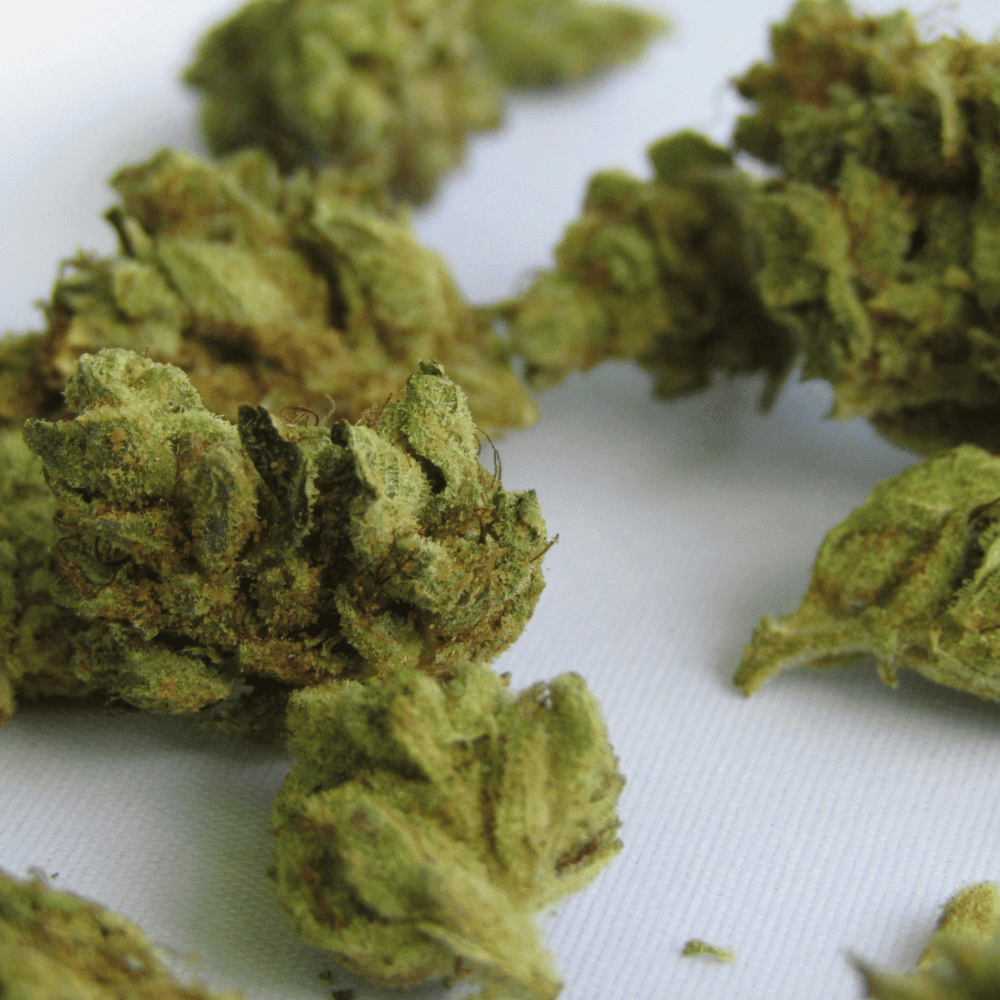
A “bud” is basically a cluster of female cannabis flowers. Not one single flower like a tulip. More like a tight little bouquet. Those swollen teardrop shapes you see stacked together. Those are calyxes (we’ll get there). And everything sparkly and frosty on top. That’s trichomes.
Then you’ve got leaves tucked in there, some tiny and frosty, some bigger and plain. And those hair like strands, usually orange or white. Those are pistils.
Once you can separate those pieces in your head, shopping becomes a lot less random.
What are trichomes on weed?
Trichomes are microscopic resin glands that grow on cannabis flowers (and nearby leaf surfaces). They look like a layer of frost or sugar dusting, but up close they’re little mushroom shaped stalks with a bulb on top.
And here’s the big reason people obsess over them.
Trichomes are where most of the cannabinoids and terpenes are produced and stored.
So THC, CBD, minor cannabinoids. Plus aroma compounds like myrcene, limonene, caryophyllene, all of that. When you say a bud is “loud” or “gassy” or “sweet,” a lot of that experience is tied back to trichome density and how intact those trichomes are.
If you want the simplest mental model, it’s this:
Flower is the structure.
Trichomes are the payload.
What trichomes should look like (in real life, not a macro photo)
You’re rarely getting a microscope at the counter, so you’re judging with your eyes.
Look for:
- Frostiness that looks even and intentional, not patchy.
- A kind of “glow” on the calyx surfaces, not just on random leaf tips.
- Visible sparkle without the bud looking wet or weirdly shiny.
If the flower looks like it got rolled in sugar, that can be great. Or it can be a sign it was handled rough and the trichome heads got smeared around. That brings me to the less fun part.
Signs trichomes have been damaged
Trichomes are fragile. They break off with excessive handling, over trimming, dry storage, and old age.
A few things to watch for:
- Bud looks dull and matte, even if the strain is supposed to be frosty.
- Lots of loose “kief dust” in the bottom of the jar. A little is normal. A lot can mean the flower was shaken around and stripped.
- Overly brittle texture. Dry buds shed trichomes fast.
And yes, some genetics are naturally less frosty than others. But within the same strain and same category, more intact trichomes usually equals better experience.
Trichome color, the short version
People talk about clear vs cloudy vs amber trichomes. That’s usually a harvest timing discussion.
At the shopping level, what matters more is: do you see a healthy, abundant resin presence? Does it look fresh? Does it look like it still has life in it?
Because old flower can still have trichomes. They just look tired. Less sparkle, less aroma, more crumble.
Sugar leaves vs fan leaves (and why you should care)
This part confuses a lot of people because “leaves” sounds like filler. But not all leaves are equal.
Fan leaves
Fan leaves are the big, classic cannabis leaves. The ones everyone recognizes. They’re large, with multiple fingers, and they usually stick out from the plant during growth.
Important point: fan leaves generally have fewer trichomes compared to the flower itself. They’re not what you’re trying to smoke. They’re more like the plant’s solar panels.
So when you see a bud with big leaf chunks left on it, and those leaf chunks aren’t frosty, it can smoke harsher and taste greener. Not always, but often.
Sugar leaves
Sugar leaves are the small leaves that grow right in and around the bud sites. They’re called sugar leaves because they often get coated in trichomes, so they look frosted.
They’re also the reason some buds look extra sparkly at the edges.
Now, dispensary flower usually has some sugar leaves trimmed back. The question is how much, and how well.
Here’s the vibe:
- A little sugar leaf left on can be totally fine, especially if it’s frosty and the trim is clean.
- A lot of sugar leaf left on, especially if it’s long and leafy, can mean a lazy trim. Or a machine trim that didn’t finish the job. Or it can be intentional for “natural” presentation, but you can usually tell when it’s intentional because the bud still looks tidy.
There’s also a quality tell hiding in here.
If sugar leaves are frosty, that’s good. But you want the calyxes frosty too. Some lower quality buds look like all the frost is on the leaf edges, while the flower itself looks kind of bare. That’s not what you want.
Calyxes: the real “bud” inside the bud
If you want to sound like you know what you’re doing, learn this word.
A calyx is the protective structure that surrounds the female flower’s reproductive parts. On cannabis buds, calyxes are those little tear drop or oval shapes that stack and layer to form the bud’s body.
When people say a bud is “all calyx,” they mean it’s swollen, chunky, and flower heavy. Less leafy.
And yeah, that usually smokes better.
What “good” calyx structure tends to look like
- Plump, swollen calyxes that look like they inflated late in flower.
- Tight stacking where the bud looks like it’s made of layered nuggets, not leaf.
- Visible trichomes on calyx surfaces, not only on leaves.
This is one reason craft flower often looks different even before you smell it. It has that mature, finished structure. Like it actually got to complete its cycle instead of getting rushed.
One more thing: calyx vs “buds are just leaves”
Sometimes you’ll see flower that’s pretty, but when you look closer it’s leaf heavy. Lots of plant material, not much swollen flower.
That can mean a few things, but as a shopper, the takeaway is simple.
More calyx, less leaf usually means a cleaner, richer smoke.
Pistils: the “hairs” and what they do and do not tell you
Pistils are the thin hair like strands you see curling out of buds. They start out pale, often white, and darken to orange, red, or brown as the flower matures.
A lot of people use pistil color as a maturity gauge. It’s not totally useless, but it’s also not a cheat code.
Here’s the truth.
Pistils can darken from:
- actual maturity
- handling
- heat
- light stress
- age in storage
So if you see a bud with very dark pistils, that does not automatically mean it’s stronger. It might just mean it’s older or got knocked around.
What pistils are better for is basic visual ID. They help you see where the flower sites are. They also contribute a bit to the bud’s “look,” like whether it’s hairy and wild or tight and refined.
But potency and flavor. That’s trichomes and overall freshness.
Dense vs fluffy or airy buds (and what that usually signals)
This is where people get a little too confident. Because density is not everything. But it does tell you some stuff.
Dense buds
Dense buds feel firm for their size. They often come from genetics that naturally stack tight, plus proper lighting, nutrition, and a solid finish.
Dense can be a good sign of:
- well developed calyx stacking
- good dry and cure (not always, but often)
- careful handling
But dense can also hide problems.
If a bud is rock hard and suspiciously uniform, it can sometimes signal it was grown with plant growth regulators in unregulated markets. In a licensed dispensary setting, that’s less of the conversation, but the main point remains.
Dense is good when it still looks natural. When it still has texture.
Fluffy or airy buds
Airy buds can come from:
- genetics that are naturally looser (some sativas do this)
- lower light intensity
- heat stress
- harvesting early
- not enough time to bulk up late in flower
Fluffy doesn’t automatically mean bad. Some strains are just like that. But airy buds often:
- burn faster
- feel less satisfying in the hand
- can be less aromatic if the resin production wasn’t great
If you’re trying to train your eye toward premium flower, look for a bud that feels like it has structure and weight, but still looks like a plant. Not like a compressed pellet.
Putting it together: how to evaluate flower quality on sight
If you only remember a few things, make it these.
1) Look at where the frost is
You want trichomes on the calyx surfaces, not just the leaf tips. Leafy frost can be a distraction.
2) Check the ratio of flower to leaf
More swollen calyx, less leafy material usually means cleaner smoke and better flavor.
3) Notice the trim quality
A clean trim does not mean shaved down to nothing. It means intentional. Neat. No big fan leaf chunks. No ragged edges everywhere.
4) Read the structure honestly
Dense, well stacked buds with visible calyx layering often signal careful cultivation. Very airy buds can still be good, but you want to see healthy resin and a finished look.
5) Freshness shows up visually
Even before smell, old flower tends to look dull, dry, and tired. Fresh flower tends to look lively, with trichomes that catch light and a bud surface that looks intact.
A quick note about “bag appeal” vs real quality
Yes, some flower is grown to look good in a jar. Bright pistils, heavy frost, perfect shape.
But the best premium flower usually has both. It looks good because it was grown well. Slow enough. Clean enough. Handled gently enough that the trichomes did not get smashed off in processing.
That’s kind of the craft difference. You can see it.
And once you learn bud anatomy, you start preferring those well grown buds almost automatically. Not because someone told you to. Because your eyes pick up the cues before you even think.
For more scientific insights into cannabis quality evaluation methods, you might find this research article helpful.
Idea for a simple labeled graphic (that brands can reuse)
If you want to make this hyper visual for shoppers, a single clean image goes a long way. A close up bud photo with labels pointing to:
- Trichomes (frosty resin glands)
- Calyxes (the swollen flower clusters)
- Sugar leaves (small frosty leaves in the bud)
- Fan leaves (larger leaves, usually trimmed off)
- Pistils (hair like strands)
Keep it minimal, readable on a phone, and use the same photo crop for a carousel so people instantly connect the labels to what they see in real jars.
Final takeaway
Trichomes are the resin factories, sugar leaves are the frosty little leaves around the bud, calyxes are the actual flower body, and pistils are the hair like strands that look pretty but don’t tell the whole story. Learn those, then look for intact frost, swollen calyx structure, a clean trim, and a bud that looks fresh and finished.
That’s how you start judging flower quality on sight. And honestly, it makes shopping way more fun.
FAQs (Frequently Asked Questions)
What are trichomes on weed and why are they important?
Trichomes are microscopic resin glands that grow on cannabis flowers and nearby leaf surfaces. They look like a layer of frost or sugar dusting, but up close they're little mushroom-shaped stalks with a bulb on top. Trichomes are crucial because they produce and store most cannabinoids (like THC and CBD) and terpenes, which contribute to the flower's potency, aroma, and overall quality.
How can I visually identify good quality trichomes on cannabis buds?
Look for an even and intentional frostiness covering the bud, especially glowing on the calyx surfaces rather than just random leaf tips. The bud should have a visible sparkle without appearing wet or oddly shiny. A 'sugar-coated' look can indicate high trichome density, signaling potent and well-handled flower.
What are signs that trichomes have been damaged or degraded?
Damaged trichomes often result from excessive handling, over-trimming, dry storage, or old age. Signs include buds looking dull and matte instead of frosty, lots of loose kief dust at the bottom of the jar (which can mean trichomes have broken off), and overly brittle buds that shed trichomes easily. Within the same strain, more intact trichomes usually mean a better experience.
What is the difference between sugar leaves and fan leaves on cannabis buds?
Fan leaves are the large, classic multi-fingered leaves that act as the plant's solar panels; they generally have fewer trichomes and aren't ideal to smoke. Sugar leaves are small leaves growing around the bud sites coated in trichomes, giving them a frosted look. Sugar leaves contribute to the bud's sparkle and potency if trimmed well.
How does trimming affect the presence of sugar leaves on cannabis buds?
Dispensary flower usually has some sugar leaves trimmed back for a cleaner appearance. A little sugar leaf left on is fine if it's frosty and neatly trimmed. However, lots of long leafy sugar leaves left can indicate a lazy or machine trim or an intentional 'natural' presentation. Well-trimmed buds tend to look tidy while still showing some frosted sugar leaves.
What does the color of trichomes indicate about harvest timing and flower freshness?
Trichome color—clear, cloudy, or amber—is often discussed regarding harvest timing because it signals cannabinoid maturity. However, when shopping, it's more important to see a healthy resin presence that looks fresh with life in it. Old flower may still have trichomes but they appear tired with less sparkle and aroma, resulting in more crumble.
Jenna Renz
Jenna is a California-based creative copywriter who’s been lucky enough to have worked with a diverse range of clients before settling into the cannabis industry to explore her two greatest passions: writing and weed.

Related Articles
Long Beach Cannabis: Delivery vs Dispensary Pickup - Which Should You Choose?
Long Beach cannabis shopping comes down to one simple fork in the road: do you want it brought to you, or do you want to go get it yourself?
8 MinJune 22, 2026 Jenna Renz
Weed Delivery in Long Beach: Same-Day Cannabis, Zip Codes & How to Order
Weed delivery in Long Beach is the easiest way to get legal cannabis to your door fast, without circling for parking, waiting in line, or pretending you “just like the smell” in a dispensary lobby.
8 MinJune 22, 2026 Jenna Renz
What Does 'Craft Cannabis' Actually Mean? A Buyer's Guide
Craft cannabis is not a fancy way to say “expensive weed.” It’s a way to describe how the flower is grown, handled, and finished, from seed to jar. Think of it like bread. You can buy factory loaf or you can buy the sourdough your neighbor babysat for 36 hours and refuses to shut up about. Craft cannabis is the sourdough.
8 MinMay 22, 2026 Jenna Renz